Upholstery Cleaning in Modern Homes: Freshness, Hygiene, and Lasting Fabric Care
Upholstery cleaning in the modern home is more than a cosmetic task. It helps preserve the look, feel, and lifespan of your furniture while supporting a healthier indoor environment. Sofas, armchairs, ottomans, dining seats, and other fabric-covered items collect dust, body oils, food crumbs, pet hair, allergens, and odors over time. Without regular upholstery cleaning, these pollutants can settle deep into fibers and make furniture look dull, smell stale, and wear out faster.
For homeowners, renters, property managers, and business owners, upholstery cleaning in living and working spaces plays a major role in maintaining comfort and presentation. A well-kept sofa can transform a room, while a neglected one can make even a clean space feel untidy. Whether you own a family couch, a designer chaise, or office seating, the right upholstery care routine can make a dramatic difference.
In this article, we explore why upholstery cleaning matters, how different fabrics respond to treatment, what methods are commonly used, and how to keep furniture in excellent condition for as long as possible. You will also find practical advice, fabric care tips, and reasons why professional upholstery cleaning is often the best solution for deep, lasting results.
Why Upholstery Cleaning Matters for Every Household

Upholstery cleaning in households is essential because furniture is one of the most frequently used parts of any interior. Unlike floors, upholstery is constantly in contact with skin, clothing, pets, and airborne particles. That means fabrics naturally absorb dirt and contaminants, even when they look clean on the surface. Regular vacuuming helps, but it does not remove everything that becomes trapped deep inside the fibers.
One major benefit of upholstery cleaning is improved indoor air quality. Dust, pollen, pet dander, and microscopic debris can settle into cushions and seams, then get released back into the air every time someone sits down. This can be especially important for families with children, allergy sufferers, or anyone sensitive to indoor pollutants. Clean upholstery contributes to a fresher, healthier home environment.
Another important reason is appearance. Fresh upholstery looks brighter, feels softer, and enhances the overall style of a room. Over time, stains, oils, and everyday grime can make furniture appear older than it really is. A proper upholstery cleaning process helps restore color, texture, and vibrancy without the need to replace expensive furniture.
Common Problems Found in Upholstery

Upholstery cleaning in busy homes usually addresses a range of common issues. Some problems are visible, while others are hidden deep within the fabric. Understanding these issues helps you choose the right cleaning approach and prevent further damage.
Typical upholstery concerns include:
- Spills and stains from coffee, wine, juice, sauce, and other liquids
- Body oils and skin residue that darken armrests and headrests
- Dust buildup trapped inside cushions and seams
- Pet hair and pet dander that cling to woven fabrics
- Odors caused by food, pets, moisture, or smoke
- Wear patterns from frequent sitting and movement
Even if a stain is removed quickly, residue can remain and attract more dirt over time. That is why upholstery cleaning in regular maintenance routines is so valuable. It not only tackles visible marks but also helps remove the invisible buildup that shortens furniture life.
How Upholstery Cleaning Supports Fabric Longevity

Upholstery cleaning in the right way can extend the life of your furniture significantly. Dirt particles act like tiny abrasives. Each time someone sits, leans, or shifts on a dirty surface, those particles rub against the fabric and slowly weaken the fibers. Over months and years, this can cause premature thinning, fading, and texture loss.
By removing embedded debris, upholstery cleaning reduces friction and helps preserve the integrity of the material. It also prevents stains from becoming permanent. Many fabrics are more absorbent than people realize, and once liquids or oils penetrate deeply, they can be difficult to remove without professional care. Regular cleaning protects both the surface and the structure of the furniture.
Well-maintained upholstery does not simply look better; it lasts longer and performs better. That means fewer replacements, lower long-term costs, and more comfort for daily use. For high-quality pieces, routine upholstery cleaning can be the difference between furniture that lasts a few years and furniture that remains attractive for a decade or more.
Understanding Different Upholstery Fabrics
Upholstery cleaning in any setting should begin with fabric identification. Not all materials respond the same way to moisture, heat, or cleaning chemicals. Using the wrong method can lead to shrinkage, discoloration, water marks, or weakened fibers. Knowing the fabric type helps determine the safest and most effective treatment.
Natural Fabrics
Natural upholstery fabrics such as cotton, linen, wool, and silk offer comfort and elegance, but they often require careful handling. Cotton and linen may tolerate light cleaning, but they can wrinkle or spot if over-wet. Wool is durable yet sensitive to alkaline cleaners. Silk is particularly delicate and usually needs specialist attention. For these materials, upholstery cleaning should be gentle and controlled.
Synthetic Fabrics
Polyester, microfiber, acrylic, and nylon are common synthetic upholstery materials. These fabrics are typically more stain-resistant than natural fibers and often respond well to controlled cleaning methods. Upholstery cleaning in synthetic fabrics can be highly effective because they tend to dry faster and resist shrinkage. However, oils and embedded dust can still accumulate, so periodic deep cleaning remains important.
Blended and Specialty Fabrics
Many modern furniture pieces use blended fabrics or specialty weaves. These may combine durability with comfort, but they can also be tricky to clean because each fiber type behaves differently. Upholstery cleaning in blended materials should be approached with caution and tested in a discreet area first. Specialty finishes, such as stain protection coatings, may also require specific products or methods to avoid damage.
Professional Upholstery Cleaning Methods
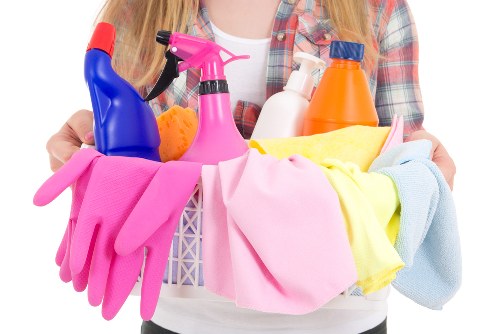
Upholstery cleaning in professional settings usually involves one or more specialized methods. The best approach depends on the fabric, the type of soiling, and the condition of the furniture. Professionals understand how to match the method to the material so results are effective without causing harm.
Hot Water Extraction
Hot water extraction is a popular method for many durable upholstery fabrics. It uses a cleaning solution and heated water to loosen dirt, followed by powerful suction to remove moisture and residue. This technique can reach deep into fibers and is especially useful for heavily used furniture. Upholstery cleaning with hot water extraction is often chosen when there is significant soil buildup or stubborn grime.
Dry Cleaning Methods
Some delicate fabrics cannot handle excess moisture. Dry cleaning methods use specialized compounds or low-moisture systems to clean upholstery without saturating the material. This makes them suitable for certain natural or luxury fabrics. Upholstery cleaning in these cases focuses on gentle soil removal while protecting the structure and appearance of the textile.
Foam and Encapsulation Techniques
Foam cleaning and encapsulation methods are useful when fast drying is important. These processes apply minimal moisture and help lift dirt to the surface for removal. Upholstery cleaning with these methods can be efficient for office furniture, commercial seating, and households that need furniture ready for use quickly.
What to Expect During a Professional Upholstery Cleaning Service
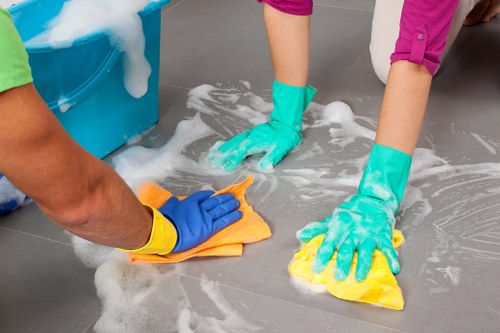
Upholstery cleaning in professional service settings usually follows a detailed process to ensure safe and effective results. Although every provider may work differently, the general steps are similar and designed to protect the furniture from unnecessary wear.
- Inspection – The technician examines the fabric, construction, stains, and wear areas.
- Fabric testing – A small hidden area may be tested to confirm colorfastness and reaction to cleaning products.
- Vacuuming – Loose dirt, crumbs, dust, and pet hair are removed from the surface and seams.
- Pre-treatment – Stains and heavy soil are treated with appropriate solutions.
- Cleaning – The selected upholstery cleaning method is applied carefully.
- Extraction or wipe-down – Residue and moisture are removed to help prevent spotting and over-wetting.
- Drying – Proper airflow is encouraged to speed drying and reduce odor risk.
This process helps deliver more consistent results than random spot cleaning at home. It is also more likely to address hidden buildup that routine care misses. When upholstery cleaning is performed professionally, the furniture often feels fresher, looks brighter, and dries more evenly.
DIY Upholstery Cleaning: Helpful or Risky?
Upholstery cleaning in the home can be manageable for light maintenance, but do-it-yourself methods should be used with caution. Some simple tasks, like vacuuming, brushing pet hair, and blotting spills quickly, are helpful and safe for most fabrics. However, many household cleaning products are too harsh, too wet, or too strongly scented for upholstery use.
One of the biggest risks with DIY upholstery cleaning is over-wetting. Excess moisture can seep into padding and padding foam, where it may take a long time to dry. This can lead to musty odors, water marks, or even mold growth in severe cases. Another risk is using a product that causes discoloration or leaves a sticky residue that attracts more dirt.
Quick action matters. If a spill happens, blot it gently rather than rubbing it in. Rubbing spreads the stain and can damage the fibers. Always check the manufacturer’s cleaning code if available. If the fabric is marked with a code that limits moisture or solvent use, it is best to follow those instructions carefully or choose professional upholstery cleaning instead.
Best Practices for Keeping Upholstery Cleaner for Longer
Upholstery cleaning in a maintenance plan becomes far more effective when paired with smart daily habits. Simple preventative steps can reduce staining, slow wear, and keep furniture looking newer between deep cleans.
- Vacuum weekly using a soft brush attachment
- Blot spills immediately before they soak into the fabric
- Rotate cushions to distribute wear evenly
- Keep pets groomed to reduce shedding and dander
- Avoid direct sunlight where possible to reduce fading
- Use throws or covers in high-traffic or family areas
- Schedule periodic upholstery cleaning to remove buildup before it becomes embedded
These habits do not replace deep cleaning, but they help extend the results. A clean sofa stays cleaner when everyday dirt is managed before it accumulates. That is why upholstery cleaning in combination with preventive care is so effective.
How Often Should Upholstery Be Cleaned?
The right cleaning frequency depends on usage, household size, pets, allergies, and the type of upholstery. In a lightly used room, upholstery cleaning may be needed less often than in a family lounge or busy office. As a general rule, most upholstered furniture benefits from deep cleaning every 12 to 24 months. High-use items may need attention more frequently.
Homes with children, pets, or allergy concerns often require more regular upholstery cleaning. If your furniture begins to smell stale, look dull, or feel gritty, it is probably time for a deeper clean. Waiting too long can allow dirt to settle deeply and make removal more difficult. Regular attention keeps maintenance easier and helps preserve the overall condition of the fabric.
Timing matters just as much as technique. A proactive upholstery cleaning schedule can save time, reduce stress, and protect furniture investment over the long term.
Upholstery Cleaning for Homes, Offices, and Commercial Spaces
Upholstery cleaning in commercial environments is just as important as it is in residential settings. Offices, waiting rooms, hotels, restaurants, and event venues use upholstered seating every day, often by many different people. These spaces collect more soil, oils, and odors than a typical home, and they require regular maintenance to remain professional and welcoming.
For businesses, clean upholstery contributes to brand image and customer comfort. A spotless lobby chair or conference room sofa sends a message of care and attention to detail. In homes, the same principle applies: fresh upholstery makes the entire room feel more inviting. Whether the setting is residential or commercial, upholstery cleaning helps maintain both appearance and hygiene.
Some facilities also benefit from scheduled cleaning plans. These can be arranged around low-traffic hours to reduce disruption. Consistency is important because upholstery cleaning in high-use spaces works best when dirt is removed before it becomes embedded or discolored.
Eco-Friendly Upholstery Cleaning Options
Many people now prefer greener methods for upholstery cleaning. Eco-friendly cleaning products can reduce exposure to harsh chemicals while still providing excellent results when used correctly. These solutions are often lower in VOCs, biodegradable, and safer for households with children, pets, or sensitivities.
Green upholstery cleaning may also involve reduced water usage, efficient extraction, and targeted pre-treatment instead of heavy saturation. This can be a smart choice for delicate furniture and environmentally conscious homes. While not every stain will respond to the same product, an experienced cleaner can usually select an environmentally mindful method that still achieves strong results.
Choosing an eco-friendly approach does not mean sacrificing performance. In many cases, it simply means using the right balance of chemistry, moisture, and technique to clean effectively while protecting both your furniture and your indoor environment.
Signs Your Furniture Needs Immediate Attention
Upholstery cleaning in a timely manner can prevent minor issues from turning into bigger problems. Watch for these signs that your furniture needs attention soon:
- Visible spots, stains, or discoloration
- Lingering odors after everyday use
- Increased allergy symptoms in the room
- Flattened, rough, or sticky fabric texture
- Pet hair that is difficult to remove
- Darkened armrests or seat cushions
- Dust clouds or particles when cushions are moved
If you notice several of these issues at once, it is a strong indicator that upholstery cleaning should be scheduled promptly. The longer contamination remains in the fabric, the harder it can be to remove.
Choosing the Right Upholstery Cleaning Approach
Upholstery cleaning in the best sense is never one-size-fits-all. The correct method depends on the age of the furniture, the fabric type, and the condition of the item. Durable synthetic furniture may respond well to moisture-based cleaning, while delicate natural fibers may need low-moisture or dry techniques. Colorfastness, construction, and stain history all matter too.
When choosing a service or method, look for experience, fabric knowledge, and attention to detail. A careful technician will identify risks before cleaning begins and adjust the process accordingly. That level of skill helps prevent damage while producing a cleaner, fresher finish. It also means upholstery cleaning is more likely to improve comfort, appearance, and durability at the same time.
The right upholstery care strategy protects your furniture and your investment. If your goal is better hygiene, stronger fabric performance, and a more polished interior, regular cleaning should be part of your maintenance routine.
Final Thoughts on Upholstery Care
Upholstery cleaning in today’s homes and workplaces is about much more than removing a few visible stains. It supports cleaner air, better hygiene, improved comfort, and longer furniture life. From everyday vacuuming to deep professional treatment, the right approach can keep sofas, chairs, and other upholstered pieces looking and feeling their best.
By understanding fabric types, recognizing common problems, and choosing appropriate cleaning methods, you can protect your furnishings from premature wear and keep your space more inviting. Whether you are maintaining a family couch, refreshing office seating, or caring for specialty furniture, consistent upholstery cleaning delivers long-lasting value.
If your furniture is due for a refresh, contact us today and take the next step toward a cleaner, healthier interior. Book your service now to restore the comfort and appearance of your upholstery with care and confidence.