Rug Cleaning in Your Home: How to Keep Rugs Fresh, Clean, and Long-Lasting
Rugs do more than cover a floor. They add warmth, define spaces, soften noise, and bring personality into a room. But as beautiful as they are, they also collect dust, pet dander, pollen, crumbs, stains, and everyday grime. That is why rug cleaning matters so much for both appearance and hygiene. Whether you own a delicate oriental piece, a modern area rug, or a high-traffic hallway runner, proper rug cleaning helps preserve color, texture, and value.
Many people focus on vacuuming carpets and wiping hard floors, but rugs often need a different approach. The fibers, dyes, backing, and weave construction can all react differently to moisture and cleaning products. Choosing the right rug cleaning method can mean the difference between restoring a rug and damaging it. In this article, we will explore practical rug care tips, stain removal strategies, cleaning methods, and the signs that your rug may need professional attention.
If you have ever wondered how to keep rugs looking vibrant while protecting your investment, you are in the right place. From routine maintenance to deep rug cleaning, the following sections will help you understand what works, what to avoid, and how to build a cleaning routine that fits your home.
Why Rug Cleaning Matters for Every Home
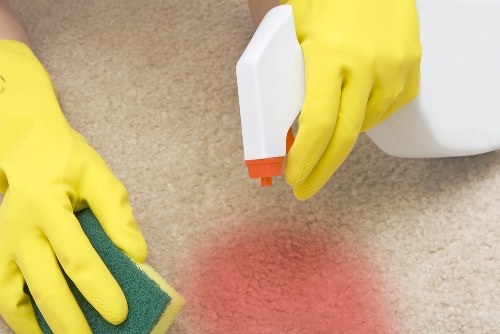
Rugs are one of the most used surfaces in the home, yet they are often overlooked until they look visibly dirty. Dust and debris settle deep into the fibers, where regular sweeping cannot reach. Over time, this buildup can make the rug look dull and worn. More importantly, neglected rugs can trap allergens and odors that affect indoor air quality. Regular rug cleaning is not just about appearance; it supports a healthier living environment.
Homes with children, pets, or high foot traffic may need rug maintenance more often than quieter spaces. A hallway runner, for example, can collect far more dirt than a decorative bedroom rug. Likewise, rugs near entryways absorb moisture, soil, and pollutants from shoes. Routine rug cleaning helps remove these contaminants before they become embedded and harder to eliminate.
There is also a financial benefit. Quality rugs can be expensive, and a well-maintained rug can last for years or even decades. By removing grit that causes fiber wear, you reduce premature aging and fading. In short, consistent rug cleaning keeps your home more comfortable while protecting the life of your flooring investment.
Common Benefits of Regular Rug Care
- Improves indoor air quality by reducing dust and allergens
- Helps prevent permanent staining and odor buildup
- Maintains the rug’s texture, color, and shape
- Extends the lifespan of natural and synthetic fibers
- Makes rooms look brighter, tidier, and more inviting
Understanding Different Types of Rugs

Not all rugs are created equal, and effective rug cleaning starts with understanding what kind of rug you own. Natural fiber rugs, wool rugs, cotton rugs, silk rugs, synthetic rugs, and blended rugs all respond differently to moisture, heat, agitation, and cleaning chemicals. A one-size-fits-all method can cause shrinkage, dye bleeding, or fiber damage.
Wool rugs, for instance, are known for their durability and softness, but they require gentle care because excessive heat or harsh detergents can affect the fibers. Cotton rugs are often washable, but they may shrink if cleaned improperly. Silk rugs are delicate and should usually be handled by specialists. Synthetic rugs, on the other hand, are often more forgiving and can withstand more robust cleaning methods.
Before starting any rug cleaning project, check the care label if available and test any product in a hidden area. This small step can prevent costly mistakes. When in doubt, it is safer to choose a mild solution and proceed slowly. A careful approach is especially important if the rug has fringe, antique dyes, or handwoven construction.
Rug Types and Their Cleaning Needs
- Wool: Gentle washing, minimal heat, careful drying
- Cotton: Can often be washed, but watch for shrinkage
- Silk: Professional rug cleaning is usually recommended
- Synthetic: Often stain-resistant and easier to clean
- Jute or sisal: Dry cleaning methods are often safer than wet cleaning
When you understand the material, you can make smarter decisions about products and techniques. This is especially important when choosing between spot cleaning, steam cleaning, dry cleaning, or full immersion washing. The more precise the method, the better the outcome for your rug cleaning results.
Another factor is rug construction. A tufted rug may have a different backing than a hand-knotted rug, and each backing can react differently to water. Some adhesives can weaken if soaked. That is why thoughtful rug cleaning is as much about protecting the structure as it is about removing visible dirt.
In practical terms, the best rug cleaning process starts with inspection, proceeds with gentle treatment, and ends with complete drying. Rushing through the process can trap moisture and create odor or mildew. Taking time early on saves time and money later.
How Often Should You Clean Rugs?
The right rug cleaning schedule depends on usage, location, and household conditions. A rug in a family room may need more frequent attention than one in a guest room. Entry rugs, kitchen rugs, and pet areas usually collect dirt faster and benefit from regular cleaning. A good rule is to vacuum rugs at least once a week and address spills immediately.
For deeper rug cleaning, many homes do well with a seasonal routine. Lightly used rugs may only need deep cleaning once or twice a year, while high-traffic rugs may require more frequent care. Homes with allergies or pets often benefit from more consistent maintenance to keep dust and dander under control.
If you notice a rug looking flat, smelling musty, or feeling sticky underfoot, it may be time for more than a basic vacuum. Stains that reappear after spot cleaning can also indicate residue deep in the fibers. In those cases, a professional rug cleaning service may be the most effective choice.
Signs Your Rug Needs Attention
- The colors look faded or dull
- Dirt returns quickly after vacuuming
- There is a lingering odor
- You see visible stains or traffic lanes
- The rug feels stiff, crunchy, or sticky
A consistent maintenance schedule reduces the chances of severe buildup. It also makes each cleaning session easier because dirt does not have time to settle deeply. When rug cleaning is done regularly, the process is faster, safer, and more effective.
Seasonal changes can also affect your cleaning schedule. During rainy months, rugs near entrances may trap moisture and mud. In dry seasons, dust can accumulate more quickly. Adjusting your rug cleaning routine to match the season is a simple way to stay ahead of messes.
Think of rug care as ongoing protection rather than an occasional task. Small habits, such as rotating rugs and vacuuming edges, can have a major impact on long-term condition. The more proactive you are, the better your rug cleaning results will be.
Step-by-Step Rug Cleaning at Home
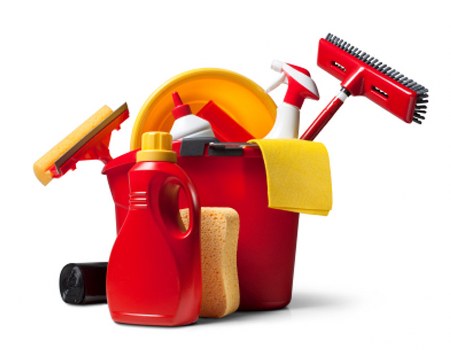
Home rug cleaning can be effective when done carefully. The goal is to lift dirt without damaging the fibers or leaving behind excess moisture. Start by moving the rug to a clean, flat area if possible. Vacuum both sides to remove loose debris. This first step is essential because embedded grit can act like sandpaper during washing.
Next, treat spots and stains as soon as you see them. Blot, do not rub, because rubbing can spread the stain and push it deeper into the pile. Use a gentle cleaning solution that suits the rug’s material. Mild dish soap mixed with water may work for some synthetic rugs, while wool and natural fibers often need more specialized treatment. Always test first.
After spot treatment, clean the rug according to its construction. Some rugs can be lightly shampooed, while others may need a dry foam or minimal-moisture approach. Rinse carefully if the method requires it, but never saturate the rug. Excess water can damage backing, cause shrinking, and create a breeding ground for mildew. Allow the rug to dry completely in a ventilated area before placing it back on the floor.
Basic Home Rug Cleaning Checklist
- Vacuum front and back
- Test cleaning products in a hidden area
- Blot spills immediately
- Use minimal moisture
- Dry thoroughly before use
Some homeowners also use carpet cleaning machines for rug cleaning, but this should be done cautiously. Not every rug is suitable for machine extraction. If the rug is handmade, antique, or made from delicate fibers, machine use can be risky. Reading the manufacturer’s recommendations and testing carefully is always the smart move.
Drying is one of the most important parts of rug cleaning. A rug that feels almost dry can still contain moisture deep within the weave. Place it in a well-ventilated area and, if appropriate, elevate it so air can circulate underneath. Fans can help speed up the process, but avoid direct high heat on sensitive materials.
If you have persistent issues with odor, staining, or deep dirt, consider whether a professional approach would deliver better results. Sometimes the best rug cleaning method is the one that prevents damage rather than one that seems quickest.
Dealing with Common Rug Stains
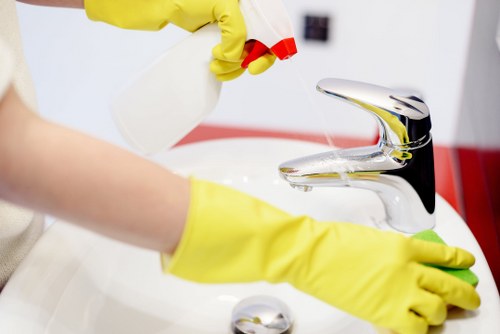
Stains are one of the biggest reasons people seek rug cleaning help. The good news is that many stains can be minimized if treated quickly and correctly. The key is to identify the stain type and use the right method. Food spills, pet accidents, mud, ink, coffee, wine, and grease each require a different strategy.
For liquid spills, blot the area immediately with a clean towel. Avoid soaking the rug with cleaner, since more liquid can spread the stain and penetrate deeper. For solid debris like mud or food, remove as much as possible before applying any solution. Patience matters because aggressive scrubbing can harm fibers and cause fuzzing.
Some stains may leave a residue even after the visible mark disappears. That is why many people prefer scheduled rug cleaning rather than waiting for emergencies. Regular deep cleaning helps reduce the likelihood that stains will become permanent.
Common Stain Response Tips
- Coffee and tea: Blot immediately and use a mild solution
- Wine: Act fast; blot and avoid rubbing
- Pet accidents: Use an enzyme-based cleaner suitable for the rug type
- Mud: Let it dry, then vacuum before treating
- Grease: Use an absorbent powder before cleaning gently
It is important to remember that some stains behave unpredictably. Dye transfer, for example, can happen when cleaning chemicals interact with rug dyes. Always use products designed for rug cleaning and follow directions carefully. If a stain is valuable or on a delicate rug, professional help is often the safest choice.
Odor is another issue that can accompany stains, especially pet-related accidents or spills that were not cleaned promptly. A rug can look clean yet still hold odor in the fibers and backing. Effective rug cleaning should address both the visible stain and the source of the smell.
When dealing with difficult marks, the best approach is often a combination of absorption, gentle cleaning, and complete drying. This layered method is more likely to produce lasting results than a single aggressive treatment.
Professional Rug Cleaning vs. DIY Methods
There are clear advantages to both DIY and professional rug cleaning. DIY methods are convenient, affordable, and useful for routine upkeep. They work well for quick spot treatment, light soil, and synthetic rugs. However, professional rug cleaning can offer a deeper clean, especially for valuable, delicate, or heavily soiled pieces.
Professionals have tools and expertise that may not be available at home. They can assess fiber type, dye stability, backing material, and the most suitable cleaning process. This is especially helpful for antique rugs, silk rugs, or any piece with sentimental or financial value. A skilled technician may use immersion washing, controlled drying, or specialized stain treatment that is difficult to replicate at home.
The decision often comes down to risk versus reward. If the rug is low-cost and easy to replace, DIY rug cleaning may be enough. If the rug is handmade, expensive, or particularly delicate, professional service can save money in the long run by preventing damage. Many homeowners combine both approaches: regular home care and periodic professional cleaning.
When to Choose Professional Rug Cleaning
- The rug is antique, handmade, or delicate
- There is deep-set odor or heavy staining
- You are unsure about fiber type or dye stability
- The rug has water damage or mildew concerns
- You want a deeper restoration-level clean
Professional rug cleaning also makes sense when time is limited. Large rugs can be difficult to move, wash, and dry properly at home. In those cases, outsourcing the job can be both practical and safer for the rug.
Still, DIY maintenance remains important between professional visits. Vacuuming, rotating, and prompt spot treatment keep rugs looking their best and reduce the workload for deeper cleanings. A balanced approach gives you the best of both worlds.
For many households, rug cleaning is most effective when it is treated as an ongoing routine rather than a one-time event. That mindset makes the process easier to manage and helps rugs stay attractive for longer.
Whether you are cleaning a small decorative piece or a large living room rug, the goal remains the same: protect the material, remove soil, and preserve the rug’s original beauty. That is the foundation of smart rug care.
Maintenance Tips to Make Rugs Last Longer
Good rug cleaning is only part of the story. Preventive maintenance can dramatically extend a rug’s life and reduce the need for intensive treatment. Rotating the rug every few months helps distribute wear evenly, especially in rooms with heavy foot traffic or sunlight exposure. This simple habit can prevent one side from fading or flattening faster than the rest.
Using a rug pad is another smart move. A quality pad keeps the rug from sliding, reduces friction, and adds cushioning. It can also help trap dust before it reaches the floor beneath. With regular rug cleaning and the right padding, your rug will stay in better condition for much longer.
Sunlight control matters too. Direct UV exposure can fade colors and weaken fibers over time. Curtains, blinds, or periodic rotation can help manage this issue. If the rug is valuable, consider placing it in a location with less direct sun or using protective window coverings.
Helpful Rug Care Habits
- Vacuum regularly using gentle suction when appropriate
- Rotate rugs to balance wear and sun exposure
- Use a rug pad for support and safety
- Keep shoes off rugs when possible
- Address spills and accidents immediately
Another overlooked habit is managing indoor air quality. Air filters, regular dusting, and clean entryways can reduce how much debris lands on your rugs in the first place. When less dirt enters the fibers, rug cleaning becomes easier and more effective.
Pet owners should also pay attention to grooming. Brushing pets regularly and wiping paws before they come inside can make a noticeable difference. Less shedding and less tracked-in mud both contribute to cleaner, fresher rugs.
In high-traffic spaces, consider layering your approach. Smaller washable mats near doors can reduce soil reaching larger rugs. This practical strategy supports your overall rug cleaning routine without sacrificing style.
It is also wise to keep cleaning supplies ready for quick action. A clean white cloth, gentle detergent, and absorbent powder can help you respond fast when spills happen. Preparedness is one of the easiest ways to improve rug care results.
Over time, these habits build a strong defense against wear, stains, and odor. Combined with periodic deep rug cleaning, they help preserve both function and appearance.
Choosing the Right Rug Cleaning Approach for Your Space
The best rug cleaning approach depends on your home, your rug, and your daily routine. A busy family home may need faster, more frequent maintenance, while a low-traffic room may only require occasional care. The size, material, and placement of the rug all influence the ideal method.
Start by identifying your priorities. Are you most concerned about allergens, stains, odors, or appearance? Once you know the main issue, it becomes easier to choose the right cleaning strategy. For example, if allergies are a concern, frequent vacuuming and deep dust removal should be top priorities. If pet accidents are the issue, stain and odor treatment will matter most.
There is no single perfect formula for rug cleaning, but there is a practical system: inspect, vacuum, treat, clean, dry, and maintain. Following this sequence consistently will give you better results than occasional random cleaning. The method may vary, but the goal is always the same: a clean rug that looks good and lasts longer.
Practical Rug Cleaning Priorities
- Identify rug material and construction
- Vacuum regularly to remove surface soil
- Spot-treat spills as soon as they happen
- Deep clean based on use and condition
- Allow complete drying before use
If you are uncertain, choose the gentlest method first. That approach lowers risk and still provides noticeable improvement in many cases. And when a rug needs more than routine maintenance, do not wait too long to act. The sooner you address the problem, the easier rug cleaning becomes.
For homeowners, renters, and businesses alike, clean rugs make a strong visual impression. They suggest care, comfort, and attention to detail. More importantly, they contribute to a cleaner indoor environment. That is why rug cleaning remains one of the most practical and valuable household maintenance tasks.
Whether you do it yourself or hire professionals, consistency is what matters most. A rug that receives regular care will look better, feel better, and last longer. That makes rug cleaning a smart investment in both your home and your peace of mind.
Ready to refresh your rugs and protect their beauty? Book your service now or contact us today to take the next step toward cleaner, healthier rugs.