Insurance and Safety
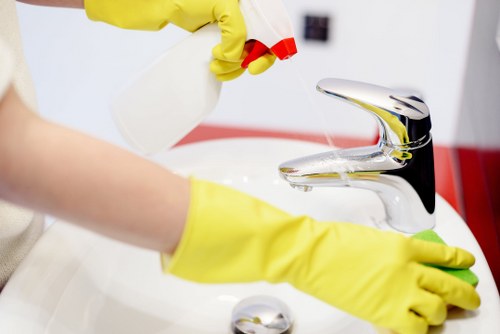 Insurance and safety are essential parts of every responsible service environment, helping protect people, property, and operations from avoidable harm. When an organisation takes safety seriously, it supports confidence among clients, employees, and the wider public. This page explains how public liability insurance, staff training, PPE, and a structured risk assessment process work together to create a safer workplace.
Good insurance and safety management is not just about responding to incidents after they happen. It is about prevention, preparation, and clear standards. By combining appropriate cover with practical controls, businesses can reduce disruption and create a culture where hazards are identified early and managed properly. A well-organised approach also helps demonstrate professionalism and accountability in everyday operations.
 Public liability insurance is a key safeguard for organisations that interact with the public, clients, visitors, or third parties. It is designed to provide financial protection if someone claims injury or property damage caused by business activities. In the context of insurance and safety, this cover is especially important because accidents can happen even when strong precautions are in place. Having suitable public liability insurance helps support continuity and reduces the financial impact of unexpected claims.
Alongside insurance, staff training plays a central role in day-to-day protection. Employees who understand safe systems of work are better equipped to recognise hazards, use equipment correctly, and follow procedures consistently. Effective training should be relevant, practical, and refreshed regularly so that safety awareness remains strong. It may cover emergency response, manual handling, equipment use, hygiene standards, and incident reporting.
The middle of any effective safety strategy is the use of personal protective equipment, or PPE. Depending on the task, PPE may include gloves, helmets, eye protection, high-visibility clothing, respiratory protection, or safety footwear. PPE is not a substitute for good controls, but it is an important final layer of defence. When used correctly, it helps reduce exposure to common workplace risks and supports safer working conditions.
 A robust risk assessment process is the foundation of any strong insurance and safety framework. It begins with identifying potential hazards, then considering who may be harmed and how serious the harm could be. The next step is deciding what controls are needed to reduce the risk to an acceptable level. Risk assessments should be recorded, reviewed, and updated whenever work activities, equipment, or environments change.
Risk assessments work best when they are practical and easy to apply. They should focus on real conditions rather than assumptions, taking into account the specific tasks, spaces, and people involved. A clear process usually includes observation, consultation with staff, evaluation of existing controls, and implementation of additional measures where needed. This approach helps ensure that insurance and safety measures are matched to the actual risks faced in the workplace.
Training and PPE are closely linked to the findings of risk assessments. For example, if a task involves exposure to sharp materials, staff may need cut-resistant gloves and instruction on safe handling methods. If work takes place in low-light or high-traffic areas, visibility clothing and awareness training may be necessary. By connecting control measures to identified hazards, organisations can build a more effective and consistent safety system.
 Another important element of safety management is supervision and communication. Even well-trained staff need regular reminders, clear instructions, and access to up-to-date procedures. Supervisors should monitor compliance, identify unsafe practices, and encourage prompt reporting of near misses or hazards. This helps strengthen the overall insurance and safety culture and supports continuous improvement across the organisation.
Documentation also matters. Records of training, PPE allocation, inspections, maintenance, and risk assessments provide evidence that safety responsibilities are being taken seriously. They can also help when reviewing incidents or preparing for audits. A well-documented approach makes it easier to track improvements, identify recurring issues, and demonstrate that reasonable precautions are in place.
In addition to formal processes, everyday behaviour has a major impact on safety outcomes. Simple actions such as keeping walkways clear, checking equipment before use, and reporting defects quickly can prevent incidents before they escalate. When staff understand that insurance and safety are shared responsibilities, they are more likely to contribute positively to a safer workplace.
 Ultimately, effective public liability insurance, thorough staff training, appropriate PPE, and a reliable risk assessment process form the core of a strong protection strategy. Together, these measures help reduce exposure to claims, improve working conditions, and support day-to-day resilience. A proactive approach to insurance and safety creates a more secure environment for everyone involved.