Sofa Cleaning in
Keeping your sofa fresh, hygienic, and visually appealing matters more than many people realize. A sofa is often the centerpiece of a living room, the place where families relax, guests gather, and everyday life happens. Because of that, sofa cleaning in is not just a cosmetic task; it is an essential part of maintaining a healthier and more comfortable home. Dust, food crumbs, pet hair, body oils, spills, odors, and airborne allergens all tend to settle into upholstery over time. Without proper care, a sofa can quickly lose its color, texture, and freshness.
Whether you have a fabric sofa, leather couch, sectional, recliner, or upholstered loveseat, regular sofa cleaning in helps extend the life of your furniture and improves indoor air quality. Many homeowners search for the best way to clean a sofa at home, while others prefer professional upholstery cleaning for deeper results. In either case, understanding how sofa cleaning works can help you protect your investment and keep your living space looking its best.
In this article, we will explore practical sofa cleaning methods, the benefits of routine maintenance, common stains, safe cleaning techniques, and how professional upholstery cleaning can make a real difference. If you want a cleaner, fresher home, this article will help you make smarter choices about sofa cleaning in and beyond.
Why Sofa Cleaning in Matters for Every Home

A cleaner sofa supports a cleaner home
A sofa may look clean on the surface while hiding dust, allergens, and bacteria deep in the fibers. That is why sofa cleaning in plays such an important role in overall home hygiene. Regular upholstery care removes buildup that vacuuming alone may not reach, especially in cushions, seams, and armrests.
When a sofa is neglected, it can become a breeding ground for odors and contaminants. Pet dander, pollen, skin flakes, and spilled drinks can settle into the upholstery, creating an environment that feels less fresh over time. Professional sofa cleaning and routine home maintenance help reduce these issues and keep your furniture more sanitary.
Protecting your furniture investment
Sofas are expensive purchases, and replacing one too soon can be frustrating and costly. With proper sofa cleaning in , you can prevent premature wear, fading, and fabric breakdown. Dirt particles act like tiny abrasives, gradually damaging fibers every time someone sits down or shifts position.
Routine upholstery cleaning not only improves appearance but also preserves the structure and comfort of the sofa. That makes it a smart long-term investment for homeowners, renters, and business spaces alike.
Common Sofa Cleaning Challenges

Different materials need different care
One of the biggest challenges in sofa cleaning in is that no two sofas are exactly alike. Fabric, microfiber, velvet, linen, leather, synthetic blends, and suede each require different cleaning methods. Using the wrong product or too much moisture can leave stains, cause discoloration, or damage the upholstery.
Before cleaning any sofa, it is important to check the care tag. Many furniture labels include cleaning codes such as W, S, WS, or X. These indicate whether the fabric can be cleaned with water, solvent-based products, or only vacuumed. Understanding these codes helps you avoid costly mistakes.
Stubborn stains and hidden odors
Food spills, coffee stains, ink marks, pet accidents, and sweat stains are common issues in sofa cleaning in . Some stains settle quickly into the fibers, making them harder to remove if left untreated. Odors can also become trapped in upholstery foam, requiring deep cleaning rather than a simple surface wipe.
Steam cleaning, spot treatment, and professional extraction methods may be necessary for deep-set contamination. A careful approach is always better than aggressive scrubbing, which can spread stains or damage the fabric.
Frequently encountered sofa issues
- Dust and allergens embedded in cushions
- Pet hair stuck in upholstery fibers
- Food and drink spills
- Body oils on armrests and headrests
- Odors from smoke, pets, or moisture
Best Methods for Sofa Cleaning in
Vacuuming as the first step
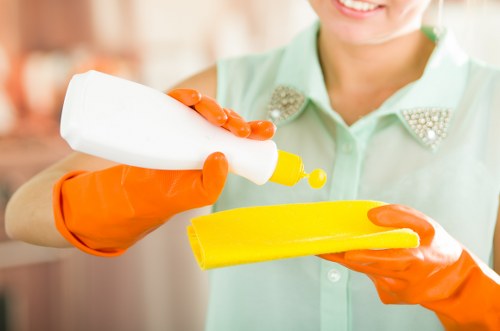
A good sofa cleaning in routine always starts with vacuuming. Use a vacuum cleaner with an upholstery attachment to remove loose dirt, crumbs, pet hair, and dust from the surface, seams, and under cushions. This simple step improves the effectiveness of any deeper cleaning method.
Vacuuming at least once a week is ideal for busy homes, especially if you have children or pets. It helps prevent buildup and keeps the sofa looking tidy between deeper cleanings. For allergy-sensitive households, frequent vacuuming can also reduce airborne particles.
Spot cleaning minor stains
For small spills and fresh stains, immediate action is key. Blot the stain gently with a clean cloth rather than rubbing it, since rubbing can push the spill deeper into the fabric. A mild soap-and-water solution may work for many upholstery types, but always test on a hidden area first.
When doing sofa cleaning in , avoid saturating the fabric. Too much moisture can lead to mold, mildew, or water marks. The goal is to treat the stain carefully while keeping the upholstery as dry as possible.
Deep cleaning for a refreshed look
Deep cleaning may involve steam cleaning, hot water extraction, dry cleaning, or specialized upholstery shampoo. These methods are designed to reach deeper layers of fabric and remove embedded contaminants. If your sofa is heavily used, professional deep cleaning may be the best option.
Deep sofa cleaning can revive dull fabrics, reduce odors, and restore the softness of the upholstery. It is especially useful for households with pets, smokers, or high traffic living areas.
Simple cleaning tools you may need
- Vacuum with upholstery attachment
- Soft-bristle brush
- Microfiber cloths
- Mild upholstery cleaner
- Spray bottle with water
- Baking soda for odor control
Professional Sofa Cleaning in for Better Results

Why professional upholstery cleaning stands out
While DIY methods are useful for routine care, professional sofa cleaning in often delivers a deeper and more thorough result. Trained technicians understand fabric types, stain behavior, and proper cleaning solutions. They use advanced equipment that can extract dirt from deep within the upholstery without damaging the material.
Professional upholstery cleaning is especially helpful when dealing with older stains, heavy soil, pet odors, or delicate fabrics. Experts can assess the condition of the sofa and choose the safest and most effective process. This reduces the chance of mistakes and helps maintain the sofa’s appearance and integrity.
Health and hygiene benefits
One of the strongest reasons to consider professional sofa cleaning in is the hygiene benefit. Upholstered furniture can harbor allergens, dust mites, and bacteria that contribute to a less comfortable indoor environment. Deep extraction helps remove these unwanted particles, improving the freshness of your home.
Families with asthma, allergies, or pets may notice a meaningful difference after a thorough upholstery cleaning. A cleaner sofa can also reduce odors and make the entire room feel more inviting.
When to schedule professional cleaning
- After major spills or accidents
- When odors persist despite home cleaning
- If the sofa looks dull or discolored
- At least once or twice a year for maintenance
- Before moving into a new home or after a renovation
Sofa Cleaning Tips for Different Upholstery Types
Fabric sofas
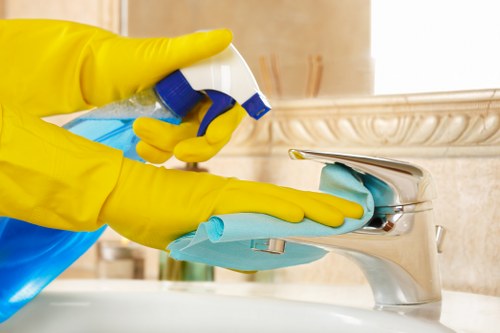
Fabric sofas are popular because they are comfortable and available in many colors and styles. However, they can also trap dust and stains easily. For sofa cleaning in , fabric upholstery should be vacuumed regularly and treated with fabric-safe cleaners. Always check the care label before applying liquid products.
For general maintenance, a mixture of mild detergent and water can often help with spot cleaning. Use a lightly damp cloth and blot carefully. If the fabric is delicate, consider professional upholstery cleaning instead of experimenting with harsher solutions.
Leather sofas
Leather requires a different approach. It should be cleaned with products designed specifically for leather to avoid drying or cracking. For sofa cleaning in , dusting and wiping with a soft cloth are essential. A leather conditioner may also help maintain suppleness and reduce wear.
Avoid excessive water, strong chemicals, and abrasive brushes. Leather furniture is durable, but it still needs proper care to maintain its rich look and feel.
Microfiber sofas
Microfiber is known for being soft and relatively stain-resistant, but it still attracts dust and oils. When cleaning microfiber, use a vacuum and a gentle cleaner recommended for synthetic fabrics. Many microfiber sofas respond well to alcohol-based spot cleaning, but it is always best to test first.
Microfiber sofa cleaning in is usually manageable at home, although a professional deep clean can restore texture and remove stubborn grime.
Upholstery care by material
- Fabric: vacuum often and spot clean gently
- Leather: use leather-safe products and conditioners
- Microfiber: clean with fabric-safe solvents or alcohol-based solutions
- Velvet: use minimal moisture and soft brushing
- Suede: treat carefully and avoid over-wetting
How Often Should You Schedule Sofa Cleaning in ?
The right cleaning schedule depends on how much your sofa is used. In a busy household, sofa cleaning in may be needed more often than in a home with minimal foot traffic. General maintenance such as vacuuming should be done weekly, while deeper cleaning may be scheduled every six to twelve months.
If you have pets, children, or frequent guests, you may need a more active upholstery care routine. Pet hair, spills, and everyday wear can build up quickly. In such homes, professional sofa cleaning once or twice a year can help keep the furniture in good condition.
For homes that experience allergies or odors, frequent cleaning can make a noticeable difference. Routine sofa maintenance is the key to keeping the furniture fresh, sanitary, and attractive year-round.
Signs your sofa needs cleaning soon
- Visible stains or spots
- Lingering odors
- Dull or flattened fabric
- Increased allergy symptoms indoors
- Pet hair or crumbs that keep returning
Smart maintenance habits
- Rotate cushions regularly
- Use throws or covers in high-use areas
- Blot spills immediately
- Vacuum weekly
- Book deep cleaning before heavy buildup starts
DIY vs Professional Sofa Cleaning in
When home cleaning is enough
For light upkeep, DIY sofa cleaning in is often sufficient. Vacuuming, spot treatment, and deodorizing can go a long way in keeping the sofa presentable. If the stains are fresh and the fabric is durable, you may be able to manage the issue yourself using safe household products.
DIY cleaning is cost-effective and convenient, especially for small households or regularly maintained furniture. It is also useful for quick refreshes between professional appointments.
When to call in the professionals
Some situations are better handled by experts. Deep stains, delicate materials, lingering odors, and heavily used furniture often require professional sofa cleaning in . Technicians have the tools and expertise to clean thoroughly while protecting the upholstery.
If you are unsure about the fabric type or cleaning code, professional cleaning can prevent accidental damage. This is especially important for high-value or custom-made sofas.
Choosing the right approach
The best choice depends on the condition of the sofa, the type of upholstery, and your cleaning goals. A balanced routine often works best: regular DIY care paired with scheduled professional cleaning.
Contact us today to keep your upholstery looking its best, and book your service now if your sofa needs a deeper refresh.
Benefits of Regular Sofa Cleaning in
There are many reasons homeowners make sofa cleaning in part of their regular household care. A clean sofa looks better, smells better, and feels more comfortable. It also contributes to a more pleasant living environment overall.
Regular upholstery cleaning can help extend the lifespan of your furniture by removing dirt before it becomes embedded. This means fewer early replacements and better long-term value. Cleaner upholstery may also improve the appearance of your entire living room, making the space feel more polished and inviting.
Another important benefit is health-related. Dust, allergens, and bacteria can accumulate in soft furniture over time. With consistent sofa care, you can reduce exposure to these irritants and support a healthier indoor environment.
Top benefits at a glance
- Improved appearance and freshness
- Longer furniture lifespan
- Reduced odors and stains
- Better indoor air quality
- More comfortable seating
Keeping your sofa looking new
Even the best furniture needs attention. By prioritizing sofa cleaning in , you can preserve color, texture, and comfort for years. A well-maintained sofa makes a positive impression and supports a cleaner, more welcoming home.
If you want lasting results, combine weekly maintenance with occasional deep upholstery cleaning. That balanced approach delivers both convenience and long-term value.
Final Thoughts on Sofa Cleaning in
Sofa cleaning in is one of the simplest ways to protect your furniture and improve your living space. Whether you choose to clean it yourself or schedule professional upholstery cleaning, consistent care will help preserve the appearance, comfort, and hygiene of your sofa.
From vacuuming and spot treatment to steam cleaning and odor removal, each step contributes to a healthier home. The key is to act early, use the right products, and follow the fabric care instructions carefully. With the right approach, your sofa can stay fresh, attractive, and inviting for years to come.
If your upholstery is overdue for attention, now is the right time to take action. Book your service now and give your furniture the care it deserves. For a cleaner home and a longer-lasting sofa, regular upholstery maintenance is always worth it.