SW16 deep cleaning checklist for Streatham Park residents
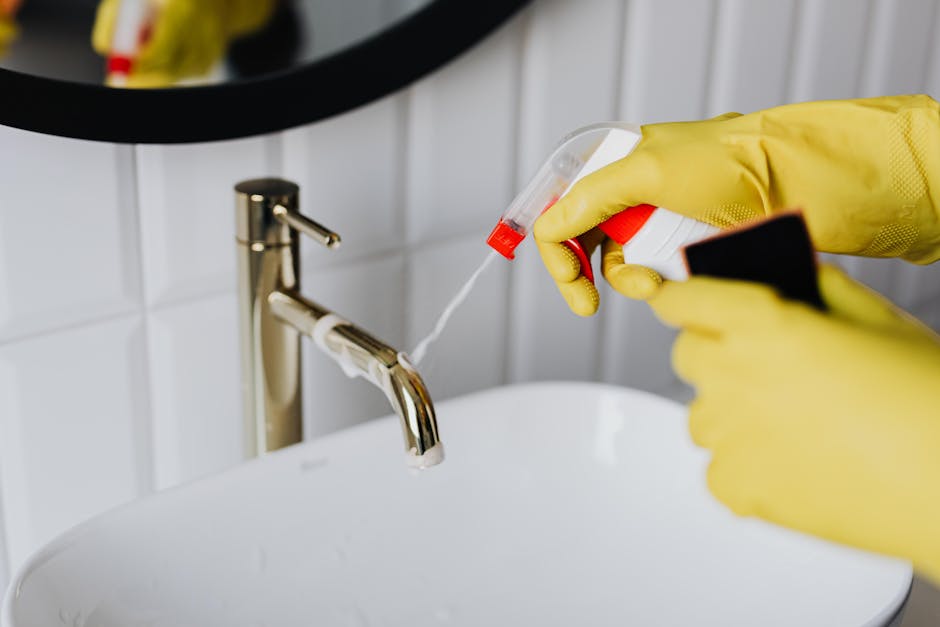
If you live in Streatham Park, you already know that a proper deep clean is not the same thing as a quick tidy. Dust settles in awkward corners, bathroom grime builds slowly, and carpets seem to collect everything from winter mud to everyday crumbs. This guide to the SW16 deep cleaning checklist for Streatham Park residents is designed to help you tackle a full-home clean with less stress and better results.
Whether you are preparing for guests, moving out, doing a seasonal reset, or just trying to get on top of things after a busy few weeks, a good checklist saves time and second-guessing. It helps you work room by room, focus on the spots people forget, and decide when it is worth bringing in professional support. Let's face it, deep cleaning always sounds simpler before you stand in front of the oven or the skirting boards.
In the sections below, you will find a practical, local-friendly approach that covers what deep cleaning involves, how to organise it, common mistakes, the right tools to use, and a useful checklist you can actually follow. There is also a comparison table, a realistic example, and answers to common questions Streatham Park residents tend to ask.
Expert takeaway: A deep clean works best when it is planned in zones, done from top to bottom, and checked against a simple room-by-room list. That sounds basic, but basic done well is usually what gets the job finished properly.
Why SW16 deep cleaning checklist for Streatham Park residents Matters
Deep cleaning matters because everyday cleaning only reaches so far. In a busy SW16 household, the hidden build-up is often where the real problems start: grease behind the hob, dust under furniture, limescale around taps, pet hair in soft furnishings, and that faint smell that hangs around even when the place looks tidy.
For Streatham Park residents, that becomes even more relevant if you live in a flat, a shared property, or a family home with a lot of daily foot traffic. London living tends to bring a fair bit of grit indoors, especially in wet months when shoes track in more than you would like. Windows, vents, kitchen corners, and upholstery quietly collect it all.
A structured checklist helps you do three things well: spot the problem areas, clean in the right order, and keep track of what has actually been finished. Without a list, deep cleaning tends to become half a job. You start in the kitchen, get pulled into the hallway, then end up wiping a light switch while the bathroom is still waiting. Been there, frankly.
It also matters for hygiene and comfort. A thorough clean can improve how a home feels day to day, not just how it looks. Fresh carpets, cleaner upholstery, and a better-finished bathroom all make the whole place feel calmer. That may sound a bit soft, but anyone who has walked into a properly cleaned room knows the difference immediately.
How SW16 deep cleaning checklist for Streatham Park residents Works
The most useful deep cleaning checklist is not just a list of jobs. It is a system. The idea is to divide the home into zones, work from high to low, and separate quick tasks from detailed ones so you do not waste energy going back over the same area.
A good approach usually looks like this:
- Declutter first so surfaces are actually reachable.
- Work top to bottom so dust and debris fall to areas you have not cleaned yet.
- Use room-specific tasks because kitchens, bathrooms, and living spaces need different methods.
- Reserve time for detail work like switches, handles, skirting boards, and behind appliances.
- Finish with floors once everything else above them is done.
This checklist works whether you are cleaning yourself or organising a professional visit. If you hire a service, it also gives you a much clearer way to explain expectations. That can be useful if you want attention on things like carpet fibres, sofa fabric, or stubborn kitchen grime.
One practical tip: divide the clean into manageable blocks. For example, do the kitchen and utility area in one session, bathrooms in the next, and bedrooms and living areas after that. Trying to do every room in one burst can be a bit ambitious unless you have the time and energy of a champion. Most people do not.
Key Benefits and Practical Advantages
There is more to deep cleaning than aesthetics. Done properly, it gives you practical gains that you notice over days and weeks, not just on the day.
- Better hygiene: grease, dust, and residue are removed from hidden spots where germs and odours can linger.
- Longer-lasting surfaces: carpets, upholstery, tiles, and worktops often hold up better when they are cleaned correctly and regularly.
- Less stress: a clean home tends to feel more manageable, especially before visitors, repairs, or a change of tenancy.
- Improved indoor comfort: fresher air, cleaner fabrics, and fewer allergens on visible surfaces can make a noticeable difference.
- More efficient everyday cleaning: once the deep layer is cleared, weekly upkeep becomes much easier.
There is also the simple advantage of visibility. Once skirting boards are cleaned, windowsills are wiped, and fabric stains are treated, your normal cleaning routine suddenly works better. You are not fighting against months of build-up anymore.
For households with pets, children, or regular visitors, that difference can be especially obvious. A hallway that once felt slightly sticky underfoot, for example, can feel properly reset after attention to floors, mats, and traffic areas. Small win, yes. But a real one.
Who This Is For and When It Makes Sense
This checklist is for anyone in Streatham Park who wants a deeper, more methodical clean than a standard weekly tidy. It is especially useful if your home has one or more of the following:
- high-traffic hallways or shared entrances
- carpets or rugs that trap dust and dirt
- pets, children, or frequent guests
- rental turnover or end-of-tenancy preparation
- kitchens that see a lot of cooking
- bathrooms with limescale, soap residue, or mould-prone corners
- soft furnishings that have not been cleaned for a while
It makes sense at a few key times of year too. Spring is the classic moment, but honestly any time after a busy stretch works: after a house party, before Christmas, after decorating, or when you finally notice the sofa has become a storage magnet for crumbs and life in general.
If you are wondering whether you need a deep clean or just a standard clean, a simple rule helps. If you are wiping visible dirt, you probably need routine cleaning. If you are tackling built-up residue, moving furniture, cleaning behind appliances, or refreshing fabric and floor surfaces, you are in deep-clean territory.
Step-by-Step Guidance
The easiest way to use the checklist is to follow a consistent sequence. That keeps the job moving and prevents you from cleaning the same area twice. A deep clean is not glamorous. It is methodical. But methodical works.
1. Start with a quick reset
Put away loose items, clear counters, collect laundry, and move anything that blocks access. You do not need every room to look magazine-perfect before you begin, but you do need surfaces to be reachable. If your hallway is full of shoes and bags, you will be working around clutter the whole time.
2. Open windows where suitable
Fresh air helps reduce the heavy feeling that can build up while you are cleaning, especially when using sprays or tackling a kitchen that has seen a lot of frying. In a small flat, that matters even more. A bit of airflow makes the space feel less stuffy, and the work easier to tolerate.
3. Clean from high to low
Start with shelves, picture frames, tops of cupboards, and light fittings, then move down to furniture, skirting boards, and finally floors. This is one of those boring little rules that saves effort later. Dust falls. Gravity is very committed to its job.
4. Tackle the kitchen in layers
The kitchen usually takes the longest, so it helps to work in layers:
- empty and wipe cupboards
- clean splashbacks and worktops
- degrease hob and extractor areas
- clean appliance fronts and handles
- move and clean behind reachable appliances
- finish with the floor
If there are stubborn marks or lingering food smells, check areas around bins, seals, and appliance edges. Grease and crumbs hide in surprisingly ordinary places.
5. Give bathrooms proper attention
Bathrooms need a different approach because of moisture, scale, and product residue. Focus on taps, drains, tile grout, shower screens, toilet bases, and the areas around fixtures. If a room looks clean but still feels a bit off, bathroom residue is often the reason.
6. Refresh soft furnishings and floor coverings
Carpets, rugs, sofas, curtains, and mattresses often carry more dust and odour than people realise. If you vacuum them but never treat them more deeply, they can hold onto that worn-in feeling. For fabric surfaces, always test products carefully and avoid soaking the material. A thoughtful approach matters more than a harsh one.
7. Finish with floors and touchpoints
Once everything above floor level is done, clean the floors last. Then wipe the bits people touch every day: handles, switches, rails, remotes, and cabinet pulls. These small details are what make a space feel genuinely finished rather than just visibly clean.
Expert Tips for Better Results
Here is where a bit of experience saves a lot of effort. Deep cleaning is not just about working harder. It is about working smarter, and not fighting the room.
- Use separate cloths for separate rooms if you want to avoid moving grime from one area to another.
- Let products dwell for the recommended time before scrubbing. Most people wipe too soon and then wonder why the mark is still there.
- Test delicate surfaces first on a hidden spot, especially upholstery, natural stone, or painted finishes.
- Clean in daylight if possible so you can actually see streaks, dust, and missed patches.
- Work in short blocks if the job feels overwhelming. Thirty focused minutes beats two distracted hours.
- Replace or rinse tools as you go once they become dirty. A filthy cloth just spreads the problem around.
A useful rule of thumb is to finish one visible zone fully before moving to the next. That gives you a small sense of progress, which helps more than you would think. Clean kitchens and bathrooms can feel like a chore; clean sections feel like momentum.
Also, do not underestimate the power of a final walk-through. Stand in each room and look at it as though you are seeing it for the first time. What still looks dull? What smells stale? What catches your eye immediately? That last look often reveals what the checklist missed.
Common Mistakes to Avoid
Even a careful deep clean can go sideways in small ways. The usual mistakes are predictable, which is almost comforting in a strange way.
- Skipping preparation: cleaning around clutter wastes time and leaves hidden dirt untouched.
- Using one product for everything: not all surfaces respond well to the same treatment.
- Cleaning floors too early: you will only have to do them again after dust falls.
- Forgetting touchpoints: a shiny room can still feel grubby if switches and handles are ignored.
- Over-wetting fabrics: carpets, sofas, and mattresses can retain moisture and take too long to dry.
- Rushing bathrooms: scale and residue often need more time than expected.
- Ignoring smell sources: bins, drains, shoes, and soft furnishings can all contribute.
One of the biggest mistakes, truth be told, is treating deep cleaning like a race. It is not a race. If anything, it is closer to a reset. Rushed cleaning tends to look fine for an hour and then reveal itself the next morning in daylight. A bit annoying, that.
Tools, Resources and Recommendations
You do not need a van full of equipment to deep clean properly, but you do need the right basics. The best kit is the kit that lets you move efficiently without constantly stopping to hunt for another cloth.
| Tool or product | Best use | Why it helps |
|---|---|---|
| Microfibre cloths | General surfaces, dusting, polishing | Useful for trapping dust rather than moving it around |
| Vacuum with attachments | Carpets, edges, upholstery, corners | Helps reach awkward areas and lifted debris |
| Scrub brush | Grout, tile edges, stubborn marks | Gives more control on textured surfaces |
| Bucket and mop | Hard floors | Simple, reliable, and easy to manage in sections |
| Degreasing cleaner | Kitchen surfaces | Helps with cooked-on residue and sticky buildup |
| Descaler | Bathroom taps, shower screens, sinks | Useful where hard-water marks are a recurring issue |
| Fabric-safe stain treatment | Rugs, sofas, and upholstery | Supports spot treatment without over-wetting |
If you are considering a more professional result, the service pages for carpet cleaning, upholstery cleaning, sofa cleaning, rug cleaning, and mattress cleaning may be useful starting points when fabrics need more than a surface refresh.
For stain-heavy areas, it also helps to understand the difference between light maintenance and targeted treatment. A stain that has sat in a carpet for months is a different beast from a fresh spill on a dining chair. If odour is part of the problem, especially with pets, the approach changes again. That is where pet stain and odour removal can become relevant.
Law, Compliance, Standards and Best Practice
For most residents, deep cleaning is not heavily regulated in the way some specialist services are. Still, there are a few sensible standards and best-practice considerations worth keeping in mind.
If you are cleaning rented accommodation, check your tenancy obligations carefully and keep the property in good condition. End-of-tenancy expectations can vary, but tenants are generally expected to leave a property reasonably clean and tidy unless the agreement says otherwise. If you are unsure, it is better to ask early than argue later.
From a safety perspective, cleaning chemicals should be used carefully and stored out of reach of children and pets. Always read product labels, follow dilution instructions, and avoid mixing chemicals. That last point matters more than many people realise. Some combinations can create unpleasant or unsafe fumes, and there is no prize for guessing wrong.
If you are hiring a cleaning company, it is sensible to ask about insurance, safety practices, and complaint handling. A provider should be able to explain how they work, what is included, and how they approach problems if something goes wrong. Pages such as insurance and safety, health and safety policy, and complaints procedure are there to help set expectations clearly.
Payments and bookings should also be straightforward and transparent. For pricing questions, the pricing and quotes page can help you understand how costs are approached before you commit. That sort of clarity is reassuring, especially when you are comparing options and trying to avoid surprise add-ons.
Options, Methods, or Comparison Table
There is no single correct way to deep clean a home. The right method depends on time, budget, property type, and how much detail you want. Here is a simple comparison to help you decide.
| Method | Best for | Pros | Limitations |
|---|---|---|---|
| DIY deep clean | Smaller homes, lighter build-up, budget-conscious households | Flexible, low cost, complete control | Time-consuming, physically demanding, easy to miss hidden areas |
| Room-by-room staged clean | Busy households, larger homes, people cleaning around work or family life | More manageable, less overwhelming, easier to track progress | Takes longer across multiple sessions |
| Professional targeted clean | Carpets, sofas, rugs, mattresses, stubborn stains | Specialist equipment, more even results, less effort for the homeowner | Costs more than DIY and may need advance booking |
| Full-home professional deep clean | Move-outs, post-renovation, heavy build-up, time-poor residents | Comprehensive, efficient, less physical strain | Higher upfront cost, needs clear instructions |
If your home needs a mix of tasks, a blended approach often makes the most sense. For example, you might handle decluttering and surface cleaning yourself, then book specialist support for carpets, upholstery, or a stubborn mattress. That way you are spending money only where it buys you the most visible improvement.
For readers who are still working out the wider cleaning route, it can also help to browse the company's blog and relevant service pages before making a decision. There is value in seeing how different surfaces and rooms are treated rather than assuming one method fits everything.
Case Study or Real-World Example
Here is a realistic example from the sort of situation many Streatham Park residents recognise. A two-bedroom flat has had a few busy months: work from home days in the living room, regular cooking, a dog that sheds more than expected, and a bathroom that started to look tired around the tiles and shower screen.
The owners first cleared clutter from surfaces and moved smaller furniture. They then cleaned the kitchen top to bottom, paying attention to the extractor area, cupboard fronts, and the floor around the bins. In the bathroom, they dealt with limescale on taps, scrubbed grout lines, and cleaned behind the toilet where dust had gathered. The soft furnishings took longer because of pet hair and embedded odour, so the sofa and rug needed a more careful approach than a quick vacuum.
The biggest difference came from doing the job in the right order. Once the kitchen and bathroom were properly reset, the whole flat started to feel brighter and less heavy. Even the hallway seemed different, just from dealing with floors, skirting boards, and the usual pile of shoes by the door. Not dramatic. Just noticeably better. And that tends to be what people really want.
This kind of example matters because it shows how deep cleaning is usually not about one giant miracle clean. It is about a sequence of good decisions, done properly, with enough patience to finish the fiddly bits.
Practical Checklist
Use this checklist as a working guide. You can print it, copy it into notes, or just tick through it room by room. The aim is progress, not perfection.
- Declutter all rooms before starting
- Gather cloths, brushes, vacuum attachments, and cleaning products
- Open windows where practical
- Dust light fittings, shelves, and high surfaces
- Wipe skirting boards and door frames
- Clean handles, switches, and other touchpoints
- Vacuum under and behind movable furniture
- Clean kitchen worktops, splashbacks, and cupboard fronts
- Degrease hob, extractor area, and reachable appliance surfaces
- Clean inside and around bins
- Scrub bathroom sinks, taps, toilets, screens, and grout
- Descale where needed and rinse thoroughly
- Vacuum carpets and rugs slowly, including edges
- Treat stains on carpets, sofas, and chairs carefully
- Refresh mattresses and curtains if required
- Wash or clean floors last
- Check each room in daylight or good lighting
- Empty waste, replace liners, and put items back neatly
Practical summary: if you only remember one rule, make it this one - clean high to low, dry before wet, and finish with the floors. That simple order prevents a surprising amount of rework.
And if you feel stuck halfway through, pause for five minutes. Make tea. Then come back and finish one room properly. Small reset, big difference.
Get a free quote today and see how much you can save.
Conclusion
A solid deep cleaning checklist gives Streatham Park residents more than a tidy home. It creates structure, reduces stress, and helps you focus on the jobs that matter most instead of drifting from one half-finished task to the next. In a busy SW16 household, that structure is worth its weight in gold, or at least in saved Saturday mornings.
If your home only needs a seasonal refresh, a focused DIY clean may be enough. If carpets, upholstery, mattresses, or stubborn stains are part of the picture, specialist help can save time and deliver a more even result. Either way, the best result comes from being organised, realistic, and a little patient with the process.
Keep the checklist handy, start with the rooms that bother you most, and give yourself credit for the small wins. A properly cleaned home has a way of lifting the whole week, and sometimes that is exactly what you need.
Frequently Asked Questions
What should be included in an SW16 deep cleaning checklist for Streatham Park residents?
A good checklist should cover decluttering, dusting high and low surfaces, kitchen degreasing, bathroom descaling, floor cleaning, touchpoints, carpets, rugs, and soft furnishings. If you live in a busy household, include hidden areas like behind appliances and under furniture too.
How often should a home in Streatham Park get a deep clean?
That depends on how the property is used. Many homes benefit from a proper deep clean a few times a year, with extra attention after parties, renovations, pet-related mess, or before moving out. A household with children or pets may need it more often.
Is deep cleaning different from regular cleaning?
Yes. Regular cleaning keeps a home presentable and hygienic week to week, while deep cleaning targets built-up dirt, limescale, grease, embedded dust, and forgotten areas. It usually takes longer and involves more detailed work.
What rooms should I prioritise first?
The kitchen and bathroom usually come first because they collect grease, moisture, and residue more quickly than other rooms. After that, tackle the main living areas, bedrooms, and hallways. If you are short on time, start where the build-up is most obvious.
Can I deep clean a carpet myself?
You can handle vacuuming, spot treatment, and light maintenance yourself. For heavier staining, odour, or a worn-looking carpet, a more specialised approach often gives better results. The main thing is not to over-wet the fibres or scrub so hard that the pile is damaged.
What are the most commonly forgotten areas during a deep clean?
People often forget skirting boards, behind radiators, under sofa cushions, light switches, door handles, inside bin cupboards, and the edges of floors near walls. These small spots make a big difference to the finished feel of a room.
Do I need professional help for upholstery and mattresses?
Not always, but professional help can be very useful when there are stains, odours, or a lot of built-up dust. Upholstery and mattresses can hold more debris than people expect, and they need careful handling to avoid damage or excess moisture.
How long does a full deep clean usually take?
It varies a lot depending on property size, condition, and whether you are cleaning alone or with help. A small flat may take several hours, while a larger home or a very neglected property can take much longer. It is better to plan in stages than to assume you will finish in one go.
What cleaning products are safest for mixed surfaces?
Use products that are clearly suitable for the material you are cleaning, and always test first on an inconspicuous spot. Avoid using one aggressive product on everything. Bathrooms, kitchens, fabrics, stone, and wood all need different care.
How do I make a deep clean feel less overwhelming?
Break the job into zones, set a realistic time limit, and finish one room before moving to the next. Put on music if that helps, take breaks, and do not aim for perfection in every corner on the first pass. Good enough, done properly, beats exhausted and half-finished.
What should tenants in Streatham Park know before moving out?
Tenants should check their agreement and make sure the property is returned in a reasonably clean condition. Pay special attention to kitchens, bathrooms, carpets, and appliances. If the home has fabric furnishings or visible stains, it may be worth using specialist cleaning support before handing back the keys.
When is it worth comparing professional cleaning options?
If you are short on time, dealing with stubborn stains, or need a more consistent result across carpets, sofas, rugs, or mattresses, it is worth comparing options. In some cases, a targeted professional clean is more efficient than trying to do everything yourself and not quite getting there.